
18 Social Media Influencers
By Alyssa Riley
I vividly remember when influencers began taking over social media. I was 15 years old when I came across the YouTube page of Indy Blue. Originally known for her visually appealing travel compilation videos, she quickly climbed the social media ladder, becoming something of an obsession for teenage girls like me. I found her life captivating. Here was this girl, only a few years older than me, going viral while doing all the things I dreamed of.
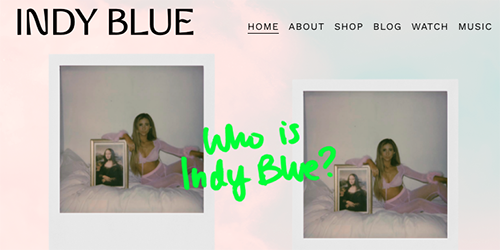 Since she began making videos in 2016, Blue founded an apparel line (Lonely Ghost), participates in numerous marketing campaigns, and has a growing audience base of more than 350,000 Instagram followers.
Influencing has massively intensified in the past decade. Now I keep up with influencers whose brands specifically cater to my interests, whether that be fashion, travel or food. They can influence what we eat, which products we buy and how we dress ourselves to fit current fashion trends.
YOUR MEDIA LANDSCAPE
What characteristics or patterns cause you to trust or distrust a social media influencer?
THE BASICS
Now known as a standard strategy on social media platforms, influencer marketing is no longer restricted primarily to fashion. Influencers market everything from healthy, delivered meals and exercise supplements to Korean facial care.
The following brief presentation covers the most common elements of a social media influencer.
Use the forward button or click on sections of the control bar. To enlarge any interactive presentation in this book, click on the lower-right full-screen option (arrows).
Brands have expectations for marketing, and audiences are vocal about what they want to see. If an influencer’s content does not meet those expectations, it can lead to negative feedback.
As an extreme example, the goal of the 2017 Fyre Festival was largely to promote the Fyre app, used for booking and promoting music talent. The festival, organized by con artist Billy McFarland and rapper Ja Rule, encouraged potential participants to enjoy the “best in food, art, music and adventure” festival in the Bahamas.
Some notable influencers, like Kendall Jenner and Bella Hadid, promoted the festival, but it turned out to be nothing more than a half-finished construction zone and a complete scam. McFarland was sentenced to six years in prison for fraud, and many locals lost money contributing to the festival.
Here’s a trailer for a Hulu documentary titled Fyre Fraud.
The Fyre Festival is an extreme example of a common problem with social media influencers. A study sponsored by the United Nations Educational, Scientific and Cultural Organization (UNESCO) found that a majority of social media influencers don’t verify information before sharing it. More than four in 10 influencers said they judged a source’s credibility based on popularity, not accuracy.
LEVELS, FOLLOWERS AND QUALITIES
Successful influencers can evolve from being typical social media users to garnering millions of followers. For instance, internationally known Emma Chamberlain used to record YouTube videos of herself doing mundane, teenager things. Now she attends Paris Fashion Week dressed head-to-toe in Gucci products, is the founder of Chamberlain Coffee, and often appears on the cover of prominent magazines such as Vogue, although in 2023 she decided to stop relying on YouTube videos.
Blurring the lines further is someone like Selena Gomez, who started at celebrity status with her acting and singing career but can now be described as an influencer as well. With an Instagram account that showed more than 400 million followers in 2025, Gomez influences large audiences through global fashion campaigns with Louis Vuitton, Puma Coach, and Pantene, to name a few.
Think about this question when considering influencers like Chamberlain and Gomez: Does fame for artistry come before influencing, or does influencing lead to fame for artistry?
Not every influencer is as famous as these two examples. The table below shows some generalized categories and statistics.
| LEVEL | Nano-Influencer | Micro-Influencer | Macro-Influencer | Celebrities |
| FOLLOWERS | Up to 10k | 10k-50k | 500k-1 million | 5 million+ |
| QUALITIES | Personal relationship with the audience | Genuine brand connections and relationships with the audience | Specific skills, from travel to company development | Their standing and personal brand. |
The next presentation covers how influencers use social media platforms for different purposes.
Use the forward button or click on sections of the control bar. To enlarge any interactive presentation in this book, click on the lower-right full-screen option (arrows).
BECOMING AN INFLUENCER
Social media influencing is not just about making fun videos and getting paid for it. Without a loyal following, an influencer doesn’t have much. To gain this audience, a personal brand and appealing content are crucial. There will always be others with similar interests, so influencers must stay up-to-date with the social media landscape. Coursera’s guide for how to become an influencer lists 11 steps:
- Adopt basic business approaches.
- Identify your niche.
- Get to know your audience.
- Create an influencer brand.
- Explore content strategy.
- Optimize your online presence.
- Select the right channels.
- Post unique content regularly.
- Engage with your audience.
- Collaborate with other brands.
- Refine skills and strategies regularly.
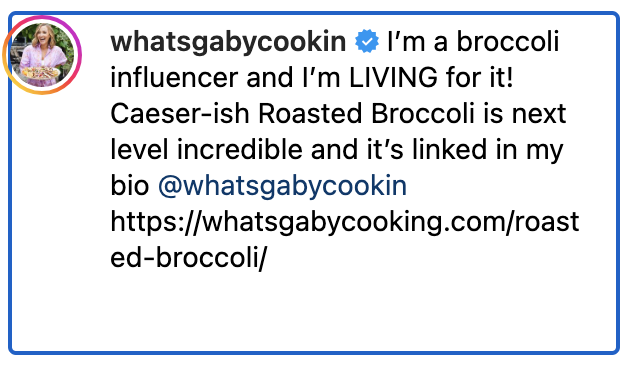
Pay particular attention to #2 about identifying a niche. Rather than creating broad content about a variety of topics, most successful influencers develop expertise and credibility in narrow, specific areas of audience interest. Even broccoli is a potential theme for social media influencing.
POPULAR INFLUENCERS
With so many influencers on social media today, you can expect each to have their own niche, whether it be through their style, brand, expertise, or passions. What’s more, there are different genres of influencers, such as health, beauty, fashion, books and travel. With that being said, social media users follow different influencers to align with their individual tastes and interests.
I tend to follow fashion and travel influencers for the sake of inspiration; I may see a cute outfit I want to wear or aesthetic living space that I want to imitate, or I may look for restaurant and shopping recommendations when visiting a city. The influencers that I interact with the most include Emma Chamberlain, Matilda Djerf, Kiel James Patrick, Paige Lorenze and Rusty Featherstone.
-
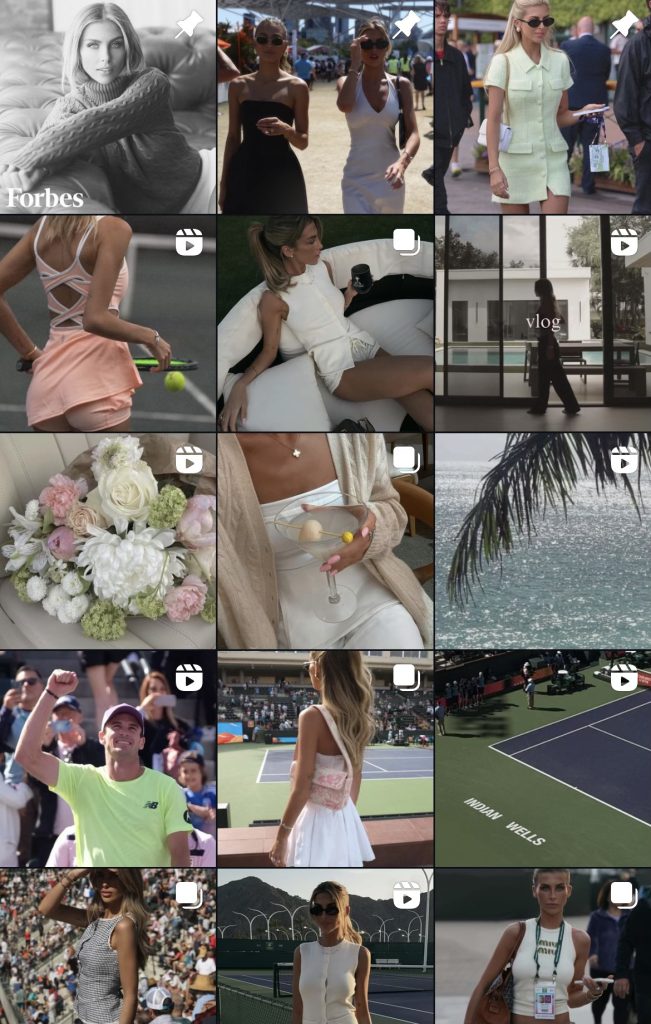
- Paige Lorenze’s IG Account
-
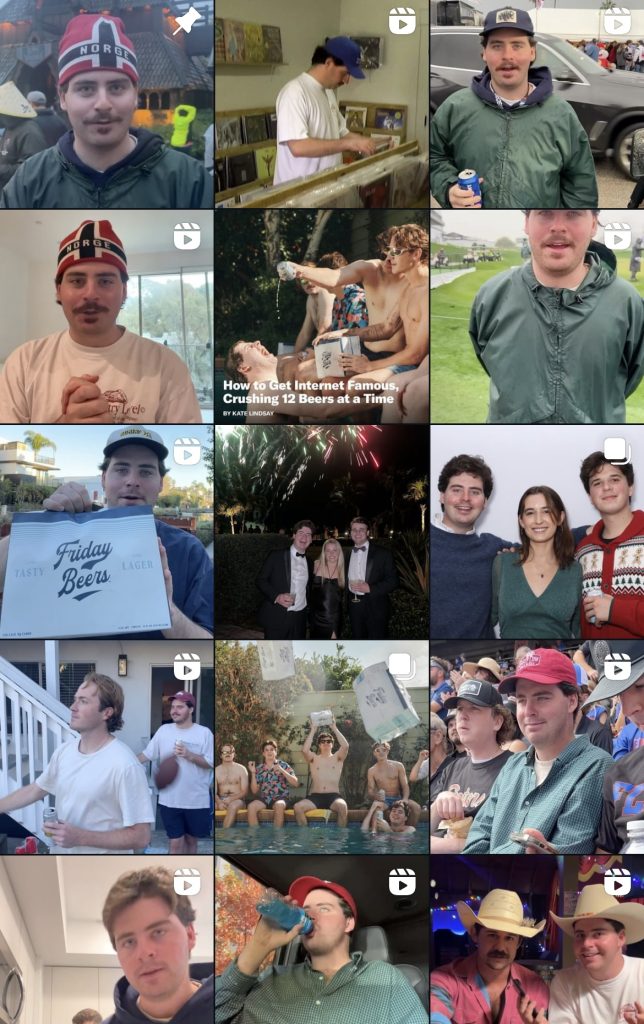
- Rusty Featherstone’s IG Account.
Other high-trending influencers include Alix Earle and Jake Paul. Earle gained her social media personality status through TikTok, where she created “Get Ready With Me” conversational videos and was coined the “It girl.” She now has more than 6 million followers across social media platforms.
Paul’s influencing career dates back to Vine in 2013 and then, when the app was discontinued, YouTube in 2014. Amassing millions of followers and making it on Forbes’ highest-paid Youtube creators list numerous times, he is labeled a “social media powerhouse,” as well as someone who blurred the lines between social media and sports with his professional boxing career.
The following video discusses the highest paid influencers of 2024, which directly correlates with their popularity on social media.
Additionally, you can look over Forbes’ Top Creators 2024 to read about more influencers, their earnings, and their climb to online fame and success.
VIRTUAL INFLUENCERS
As with many other chapters in this OER text, artificial intelligence deserves a brief mention here. A few virtual influencers have generated loyal followings for various brands, campaigns and social causes. For example, Pete Zaroll is billed as a social media spokesperson for Totino’s pizza rolls, and even the Geico Gecko can be considered a virtual influencer on Instagram.
Now for a quick history lesson. The first virtual influencer to receive abundant publicity was Miquela Sousa, popularly known as Lil Miquela. Soon after her debut, she was listed in TIME Magazine’s 25 Most Influential People on the Internet in 2018. She later introduced herself more formally to U.S. audiences on YouTube in 2021.
If you’re interested in seeing a few more examples of virtual influencers, you can peruse a list from Virtual Humans.
STATS AND ECONOMIC SIGNIFICANCE
The influencer field is growing rapidly. According to Influencer Marketing Hub, “Despite people losing trust in influencers, the market size has continued to grow over the years,” and in 2023 it became a $21.1 billion industry.
It is no surprise that with online marketing comes online shopping. Many social media users make purchases based on influencer recommendations. A survey from the Hubspot found that 31% of social media users prefer learning about new products through influencers as opposed to other channels.
The following chart, based on statistics from Pew Research Center, shows the percentage of U.S. social media users who say influencers impact their purchasing decisions a lot or a little (as opposed to not at all).
| A LOT | A LITTLE | |
| TOTAL | 3% | 36% |
| Men | 2% | 28% |
| Women | 3% | 41% |
| 18-29 | 5% | 49% |
| 40-49 | 4% | 38% |
| 50-64 | 2% | 28% |
| 65+ | <1% | 26% |
| Men 18-29 | 4% | 40% |
| Men 30-49 | 3% | 30% |
| Men 50+ | 1% | 20% |
| Women 18-29 | 5% | 57% |
| Women 30-49 | 4% | 45% |
| Women 50+ | 1% | 32% |
| White | 1% | 32% |
| Black | 5% | 38% |
| Hispanic | 7% | 41% |
TRUE or FALSE
The following questions highlight a few tidbits of information from the chapter. Use the forward button to advance through the questions.
INFLUENCER ANALYSIS
Identify a social media influencer to analyze. Answer the following questions in your analysis.
- Summarize the types of content the influencer shares and include anything else that’s important to know for someone who is not familiar with this influencer’s work.
- How would you describe the influencer’s content style?
- Who is the influencer’s target audience, and what are some strategies you see that might appeal to the target audience?
- How does the influencer’s use of social media connect to any concepts and information presented in this chapter?
Write approximately three sentences for each of your four responses.