4.1 The Essentials of Control
Figure 4.1
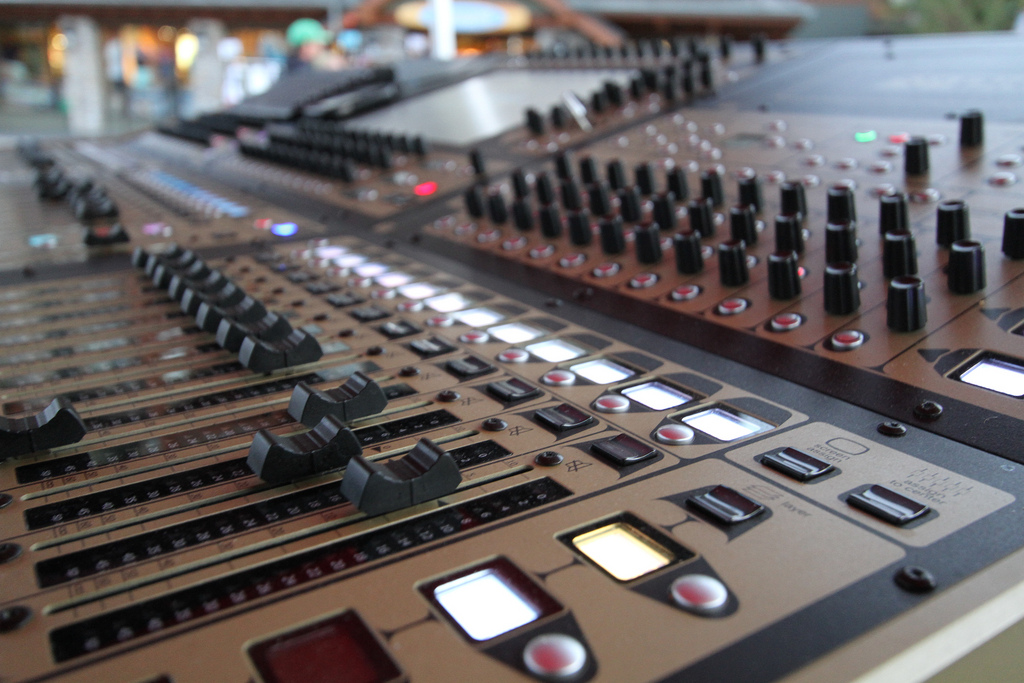
Control lets managers monitor and regulate actions to align performance with expectations.
Samuel M. Livingston – Mixer board – CC BY 2.0.
What’s in It for Me?
Reading this chapter will help you do the following:
- Understand what is meant by organizational control.
- Differentiate among different levels, types, and forms of control.
- Know the essentials of financial controls.
- Know the essentials of nonfinancial controls.
- Know the basics of lean control systems.
- Craft a Balanced Scorecard for an organization or yourself.
This chapter helps you to understand the key elements of organizational control, often seen in the form of internal systems and processes, as they relate to the planning-organizing-leading-controlling (P-O-L-C) framework. While there are many possible forms and formats, organizational controls should serve two basic functions. First, they should help managers determine whether and why their strategy is achieving the desired results. Second, they should be an early warning system in cases where the organization is getting a little (or a lot) off track.
Figure 4.2 The P-O-L-C Framework